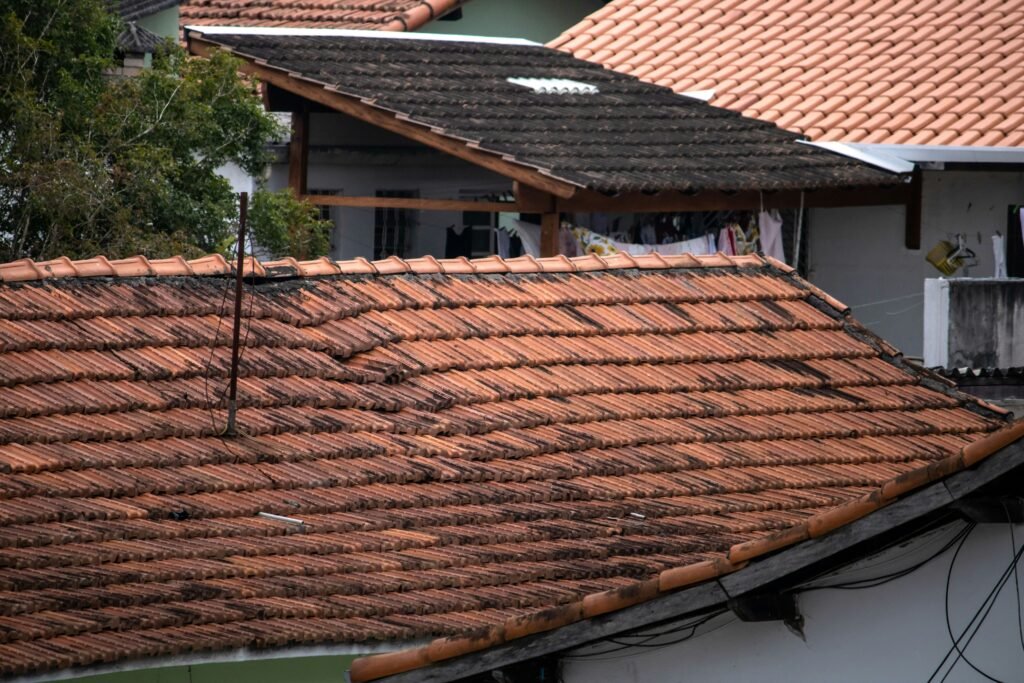
Does Homeowners Insurance Cover Storm Damage in Florida?
Wind damage is usually covered. Storm surge and flooding usually are not. Here is what a standard Florida homeowners policy actually pays for.
A step-by-step walkthrough of filing a storm damage claim in Florida, from the first call to getting repairs approved.
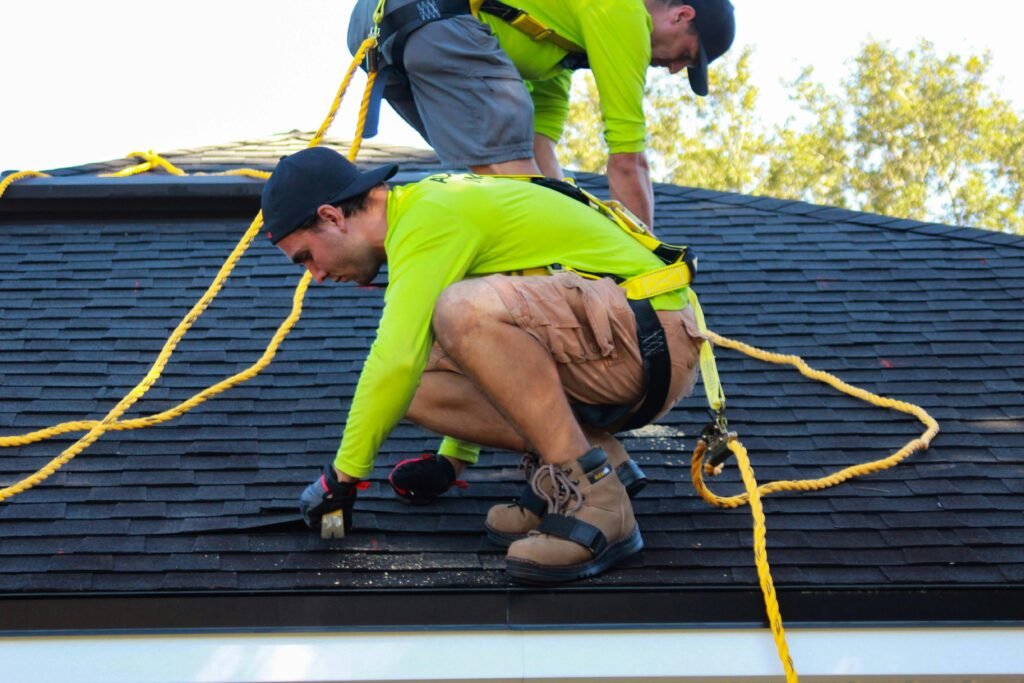
Photograph and video every affected area before any cleanup or temporary repair begins, interior and exterior, close-up and wide shots. If you can safely tell what caused the damage, wind-torn shingles versus a waterline on a wall, note that too, since it affects which part of the policy applies.
Keep a written timeline: when the storm hit, when you first noticed damage, and when you contacted your insurer. Adjusters move faster with a clear, dated record than with a vague description after the fact.
Do not make permanent repairs before the adjuster has inspected, since that can complicate the claim, temporary, protective measures are different from finishing the job early.
Call your insurance company or agent as soon as possible after the storm, most companies have a deadline for reporting damage, and filing early also gets you into the queue before the post-storm rush of claims across the region. Have your policy number, the date of the storm, and your documentation ready.
Ask for a claim number and the adjuster’s expected timeline in writing or by email, so you have a record of what was discussed.
We document damage the way adjusters expect to see it.
An adjuster will inspect the property to assess the damage and determine what the policy covers. Being present for the inspection, if possible, lets you point out damage directly and ask questions on the spot. A restoration crew’s own moisture readings and scope of work can support what the adjuster finds, particularly for damage that is not fully visible.
Florida law sets some of these deadlines; others vary by insurer.
| Step | Typical Timeframe |
|---|---|
| Report the claim to your insurer | As soon as possible, check your policy for any stated deadline |
| Insurer acknowledges the claim | Within 14 days under Florida law |
| Adjuster inspection scheduled | Varies, often 1 to 3 weeks after major regional storms |
| Insurer decision on the claim | Within 90 days under Florida law, in most cases |
| Payment issued after approval | Varies by insurer, often within a few weeks of approval |
You can request a re-inspection, submit additional documentation, or escalate to a supervisor at the insurance company. Florida homeowners also have the option to hire a public adjuster, who represents your interests rather than the insurer’s, for a percentage of the settlement.
A detailed, independent scope of work from a restoration company, with photos and moisture readings, is often the strongest tool in a dispute, since it gives the insurer something concrete to respond to.
Need damage properly documented for a claim, denied claim, or underpaid settlement? See our Insurance Claims Help page for how we support the process.
This varies by policy, but filing as soon as possible after the storm is always the safer choice. Some policies set a specific reporting deadline, check yours directly.
Your policy number, the date of the storm, photos and video of the damage, and any receipts for emergency repairs like tarping. A written timeline of when you noticed the damage also helps.
It is not always required, but being present lets you point out damage directly and ask questions, which can make the process faster and more thorough.
Yes. A public adjuster represents your interests rather than the insurance company’s, and can help build a stronger case for a denied or underpaid claim, typically for a percentage of the settlement.
A professional inspection and documented scope of damage before the adjuster arrives can support your claim, but avoid starting permanent repairs until the adjuster has seen the damage.
Documentation, repairs, and direct insurance billing handled by one crew, anywhere in Cape Coral.
Wind damage is usually covered. Storm surge and flooding usually are not. Here is what a standard Florida homeowners policy actually pays for.
Read article →
A room-by-room, week-by-week checklist for getting a Cape Coral home ready before a storm, not during one.
Read article →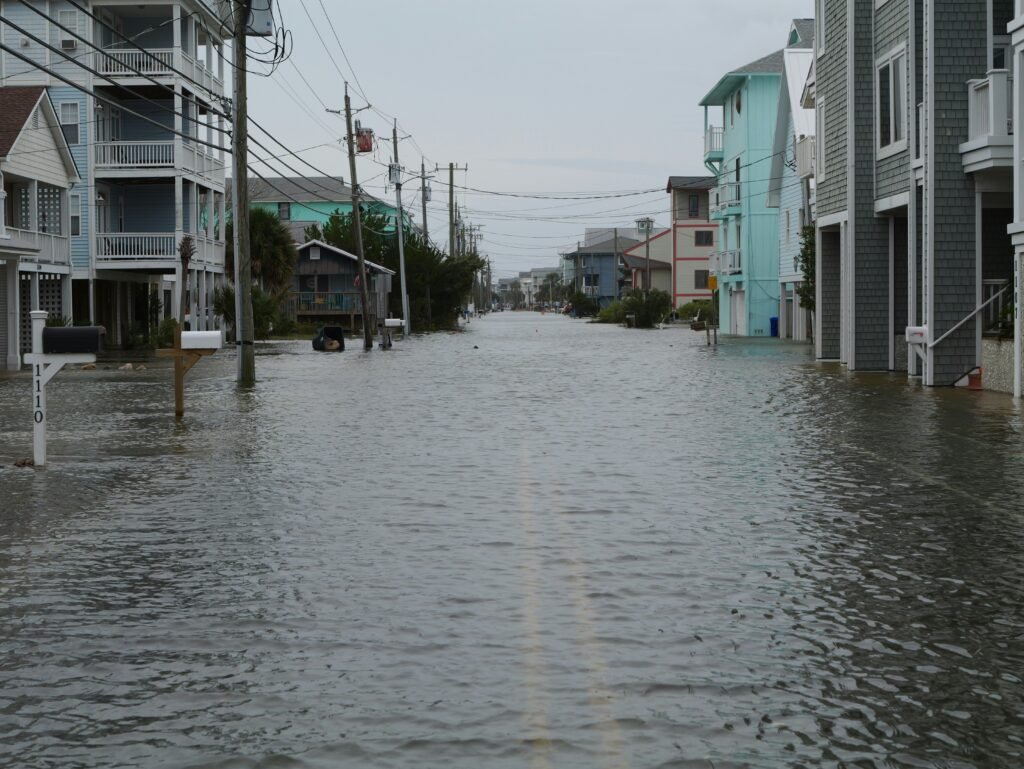
Two homes with the same amount of water damage can have completely different insurance outcomes. The difference comes down to where the water came...
Read article →