Cost of Water Damage Restoration in Cape Coral
Real cost ranges for water damage restoration in Cape Coral, what drives the price up or down, and when insurance picks up the bill.
Two homes with the same amount of water damage can have completely different insurance outcomes. The difference comes down to where the water came from.
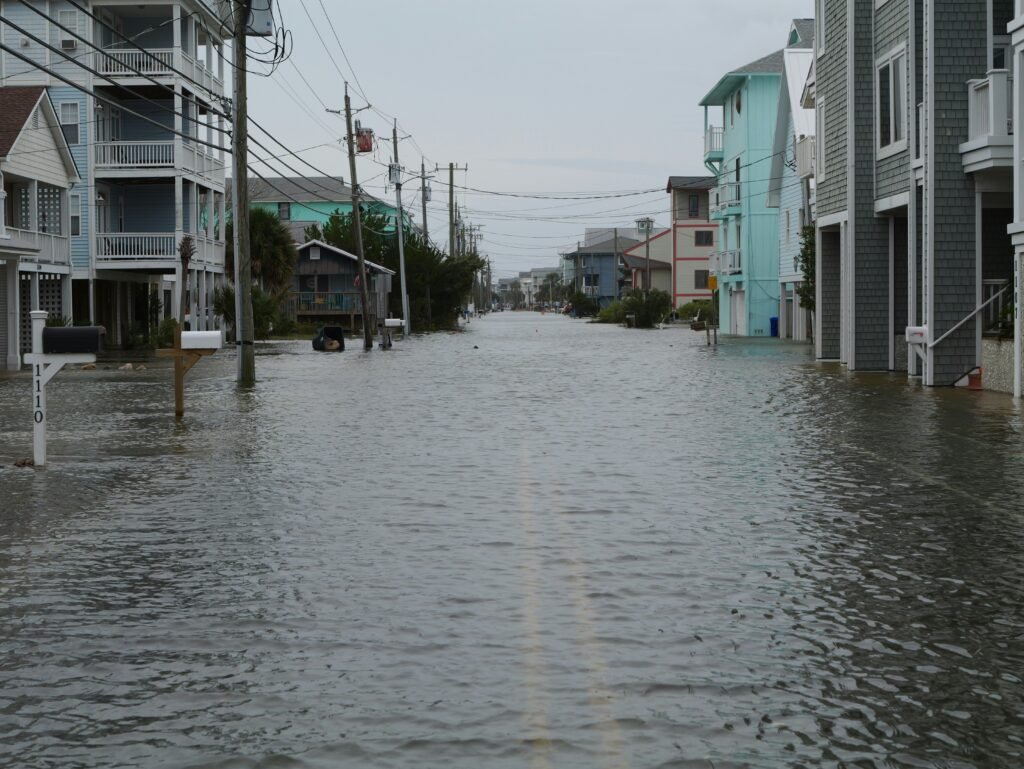
Insurers do not classify water damage by how much destruction it caused, they classify it by where the water came from. Water that enters from an internal source, a burst pipe, a failed appliance, a leaking water heater, is water damage, covered under a standard homeowners policy. Water that rises up from outside the home, storm surge, overflowing canals, rising groundwater, is flood damage, and it is almost universally excluded from standard policies.
Two homes can end up with identical soaked drywall and ruined flooring and have completely different claim outcomes purely because of where the water started.
A burst supply line, a washing machine hose that fails, a water heater that ruptures, a roof leak from wind damage, these all count as water damage because the water originated from a specific, identifiable internal source or from wind-driven rain entering through damage to the structure. Standard homeowners policies cover this as a named peril, with repair and restoration costs included.
Water that rises from the ground, a canal, a retention pond, or the street and enters the home from below or through doors and low openings is flood damage, regardless of whether a hurricane caused it or it was simply unusually heavy rain overwhelming drainage. This applies even when the flooding happens during the same storm that also caused separately covered wind damage.
Flood coverage requires its own policy, commonly through the National Flood Insurance Program or a private flood insurer, and it is not bundled into a standard homeowners policy by default anywhere in Florida.
The clearest way to see the distinction is side by side.
| Trait | Water Damage | Flood Damage |
|---|---|---|
| Source of the water | Internal (pipe, appliance, water heater) or wind-driven rain | External and rising (storm surge, canal, groundwater, street) |
| Typical coverage | Standard homeowners policy | Separate flood insurance policy required |
| Common triggers | Plumbing failure, appliance failure, storm-damaged roof | Hurricane storm surge, heavy rain overwhelming drainage |
| How it is usually discovered | A specific source can usually be identified | Water level and entry point, not a single fixable source |
Canal-front homes near Cape Harbour, Tarpon Point, and Yacht Club face real storm surge risk, which means flood insurance is not optional in practice even if a lender does not require it. A homeowner who assumes a standard policy covers “water damage” broadly can be caught off guard when a claim is denied specifically because the water rose from the canal rather than coming from inside the house.
We document the source so your claim goes to the right policy.
A single hurricane can produce both kinds of damage in the same house, wind tears the roof while surge floods the garage. In that case, each type of damage is typically filed against the corresponding policy separately, wind damage against the homeowners policy, flood damage against the flood policy, which makes clear, source-specific documentation essential from the very first inspection.
A restoration crew experienced with both types of damage can identify and document each source separately, which matters more than it might seem when two different claims, sometimes two different insurers, are involved.
Dealing with water damage and not sure which policy applies? See our Water Damage Restoration service in Cape Coral, or get help with your claim directly.
Almost never. Flood damage from an external, rising water source is excluded from standard homeowners policies nearly universally in Florida and requires a separate flood insurance policy.
Usually yes. Wind-related damage is filed against your homeowners policy, and flood-related damage is filed against a separate flood policy, since different insurers may be involved.
The key question is where the water came from. If it rose from outside the home, a canal, the street, storm surge, it is flood damage. If it came from inside, a pipe, an appliance, or through storm damage to the roof, it is water damage.
It is worth considering regardless of zone designation, since heavy rain and canal overflow can flood a home outside officially mapped high-risk zones, and standard policies will not cover that damage either way.
Yes, significantly. Coverage, deductibles, and even which insurer pays depend entirely on the water’s source, not on how similar the resulting damage looks.
Source-specific documentation that supports the right claim, anywhere in Cape Coral.
Real cost ranges for water damage restoration in Cape Coral, what drives the price up or down, and when insurance picks up the bill.
Read article →
A burst pipe or flooded room in Cape Coral, FL. Here's exactly what to do in the first 24 hours to protect your home...
Read article →
Wind damage is usually covered. Storm surge and flooding usually are not. Here is what a standard Florida homeowners policy actually pays for.
Read article →