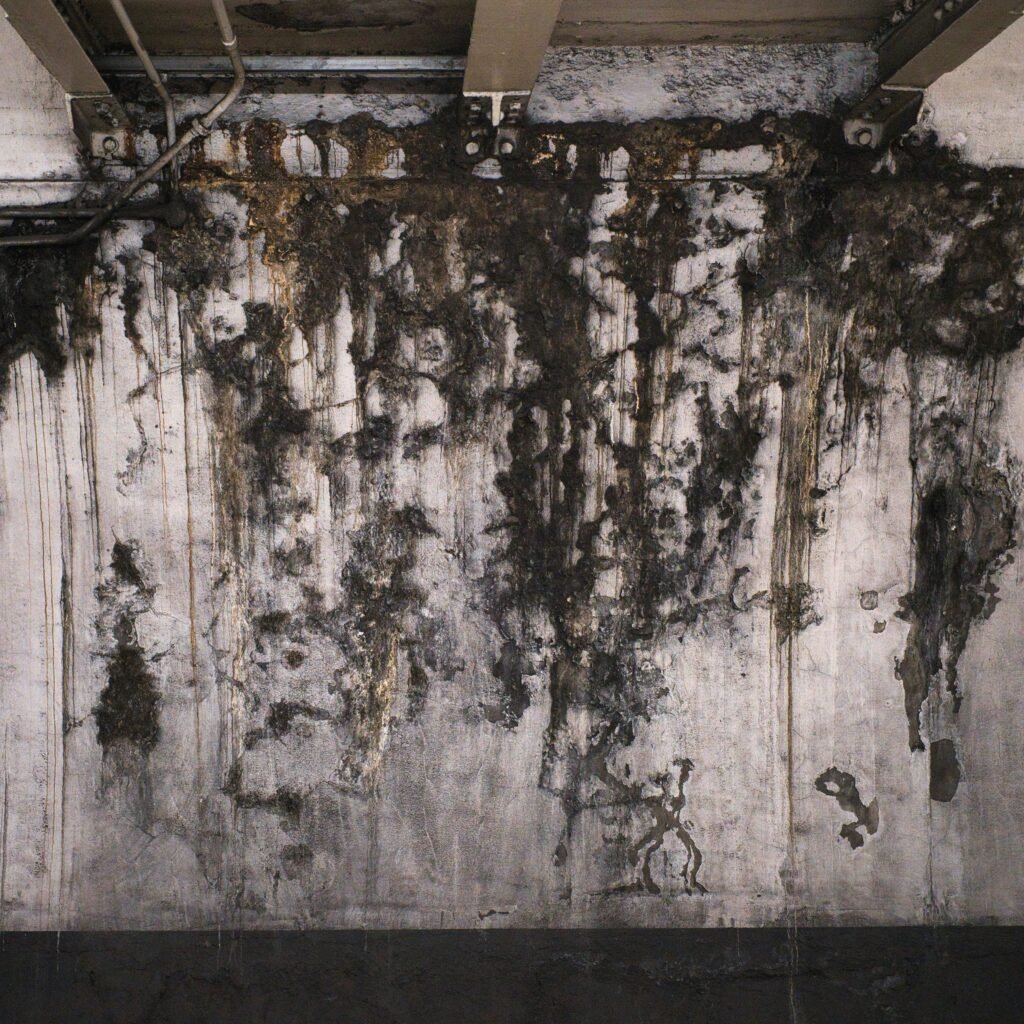
Signs of Hidden Water Damage After a Storm
A storm can pass with no obvious leak and still leave water trapped behind walls and under floors. Here is what to check in...
A burst pipe or flooded room in Cape Coral, FL. Here’s exactly what to do in the first 24 hours to protect your home and your insurance claim.
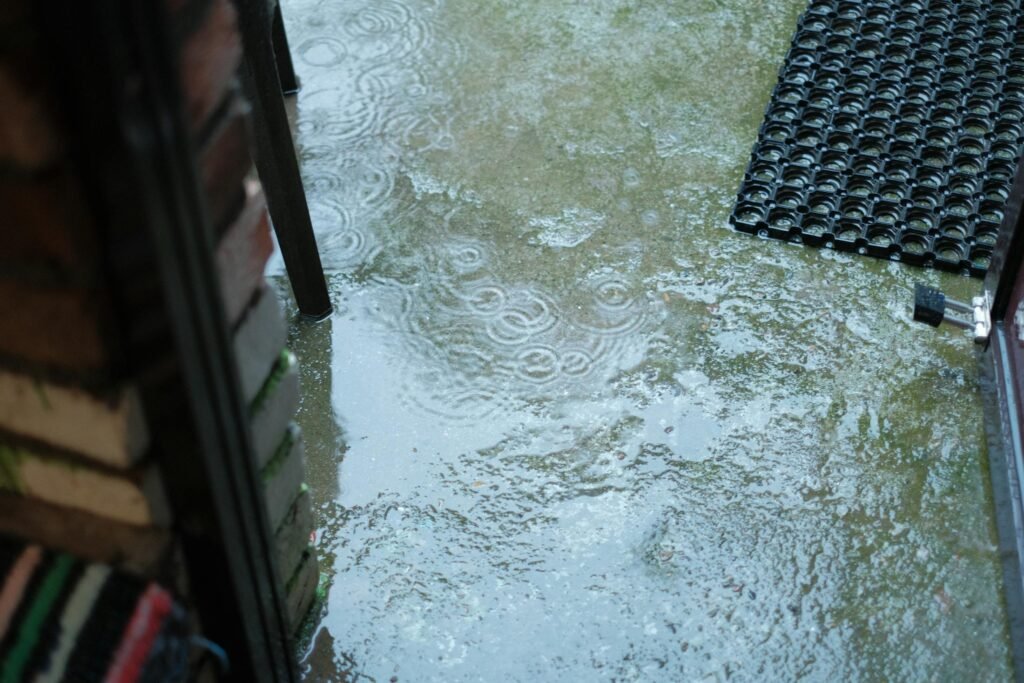
Get everyone out of standing water first, people matter more than property. If the water is anywhere near an outlet, a power strip, or an appliance, don’t walk through it until the power is off.
Find the source if you can do it safely. A burst supply line under a sink usually has a shutoff valve right there, turn it. For a bigger leak, shut off the main water valve for the house. If the water is coming from outside, like storm surge or heavy rain, there’s no valve to turn, so skip to the next step.
Turn off electricity to the affected area at the breaker box, not just the light switch, if water is anywhere close to wiring or outlets. If you’re not sure it’s safe to reach the breaker box, wait for a professional instead of risking it.
Move anything you can lift out of the water. Furniture legs, rugs, boxes on the floor, electronics. Every extra hour in standing water is another hour those items may not be saved.
Call a water damage crew as soon as the area is safe, even before you’ve fully assessed the damage. A crew that’s dispatched within the first hour can usually save flooring and drywall that would otherwise need to be torn out. In Cape Coral, a response inside the hour is standard for an active emergency, day or night.
While you wait, take photos and a short video of everything the water touched, walls, floors, furniture, the source of the leak if you found it. Insurance adjusters work from documentation, and the water level often drops or the puddle dries before anyone official sees it in person.
A crew can be on the way within the hour.
If a crew hasn’t arrived yet and it’s safe to keep working, keep removing standing water with towels, a wet vac, or buckets. Prop up furniture on foil or wood blocks so it’s not sitting directly on wet flooring.
Open windows and run fans if the weather allows it, though in Cape Coral’s humidity this alone won’t dry a room, it just slows things down until real drying equipment is running.
Don’t throw anything away yet, even items that look ruined. Set them aside and photograph them instead. Insurance often wants to see the damaged item, not just a description of it.
This is when a professional crew brings in extraction equipment and industrial dryers. Water that looks gone from the surface is usually still soaked into drywall, subfloor, and insulation, a moisture meter finds what your eyes can’t.
Drying typically runs for a few days after this point, not just the first 24 hours, but the first 24 hours determine whether mold gets a head start. Mold can start growing in as little as 24 to 48 hours in standing moisture, which is faster in Florida’s humidity than almost anywhere else in the country.
Prefer to have professionals handle extraction and drying from the very first call? See our Water Damage Restoration service in Cape Coral.
The steps above matter, but they’re easier to follow side by side. Here is the same first 24 hours condensed into one table.
| Time Window | What to Do | Why It Matters |
|---|---|---|
| 0 to 10 minutes | Get people clear, shut off the water source if possible | Safety first, stops the leak from growing |
| 10 to 40 minutes | Cut power near water, move items out of standing water | Prevents electrical hazard, saves belongings |
| Within 1 hour | Call a water damage crew, take photos | Faster response saves more of the structure |
| 2 to 6 hours | Keep removing water, prop up furniture, don’t discard anything | Limits spread, preserves items for the claim |
| 6 to 24 hours | Professional extraction and drying begins | Gets ahead of the 24 to 48 hour mold window |
Usually yes, when the water damage is sudden and accidental, like a burst pipe or storm-driven flooding. It typically does not cover damage from long-term neglect, like a leak that was ignored for months. Document everything early and your insurer can usually confirm coverage during the claims process.
Extraction and initial drying usually take 1 to 3 days. Full drying, including drywall and subfloor, often takes 3 to 5 days total. Repairs after that depend on how much needs to be rebuilt.
In most cases, yes, if the affected area is contained and the power is safe. For larger floods or anything involving sewage or contaminated water, a crew will usually recommend staying elsewhere until extraction is done.
Small, contained spills, like a small glass of water, are fine to clean up yourself. Anything beyond a small area, or anything involving a wall, ceiling, or flooring, is worth a professional call. What looks like a small wet patch on the surface is often much larger once you check behind the wall.
Water damage from an internal source, like a burst pipe, is typically covered by standard homeowners insurance. Flood damage from an external source, like storm surge or rising water, usually requires separate flood insurance. The distinction matters a lot for which policy pays.
Standing water gets worse by the hour. Call for a same-day response anywhere in Cape Coral.
A storm can pass with no obvious leak and still leave water trapped behind walls and under floors. Here is what to check in...
Read article →
Real cost ranges for water damage restoration in Cape Coral, what drives the price up or down, and when insurance picks up the bill.
Read article →
Two homes with the same amount of water damage can have completely different insurance outcomes. The difference comes down to where the water came...
Read article →