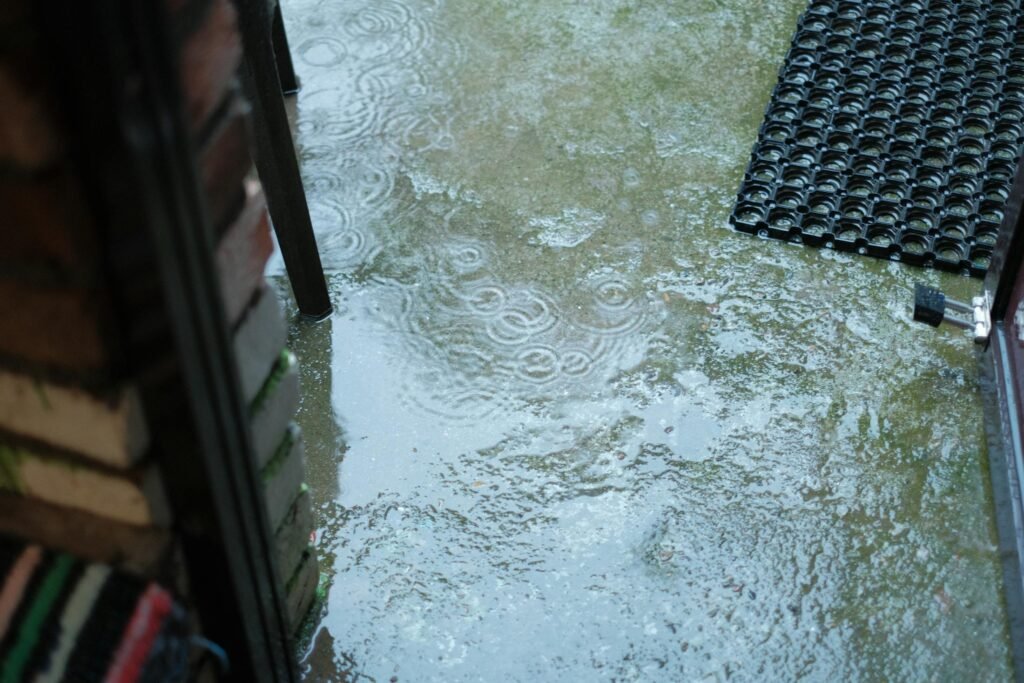
What to Do in the First 24 Hours After Water Damage
A burst pipe or flooded room in Cape Coral, FL. Here's exactly what to do in the first 24 hours to protect your home...
A storm can pass with no obvious leak and still leave water trapped behind walls and under floors. Here is what to check in the days after.
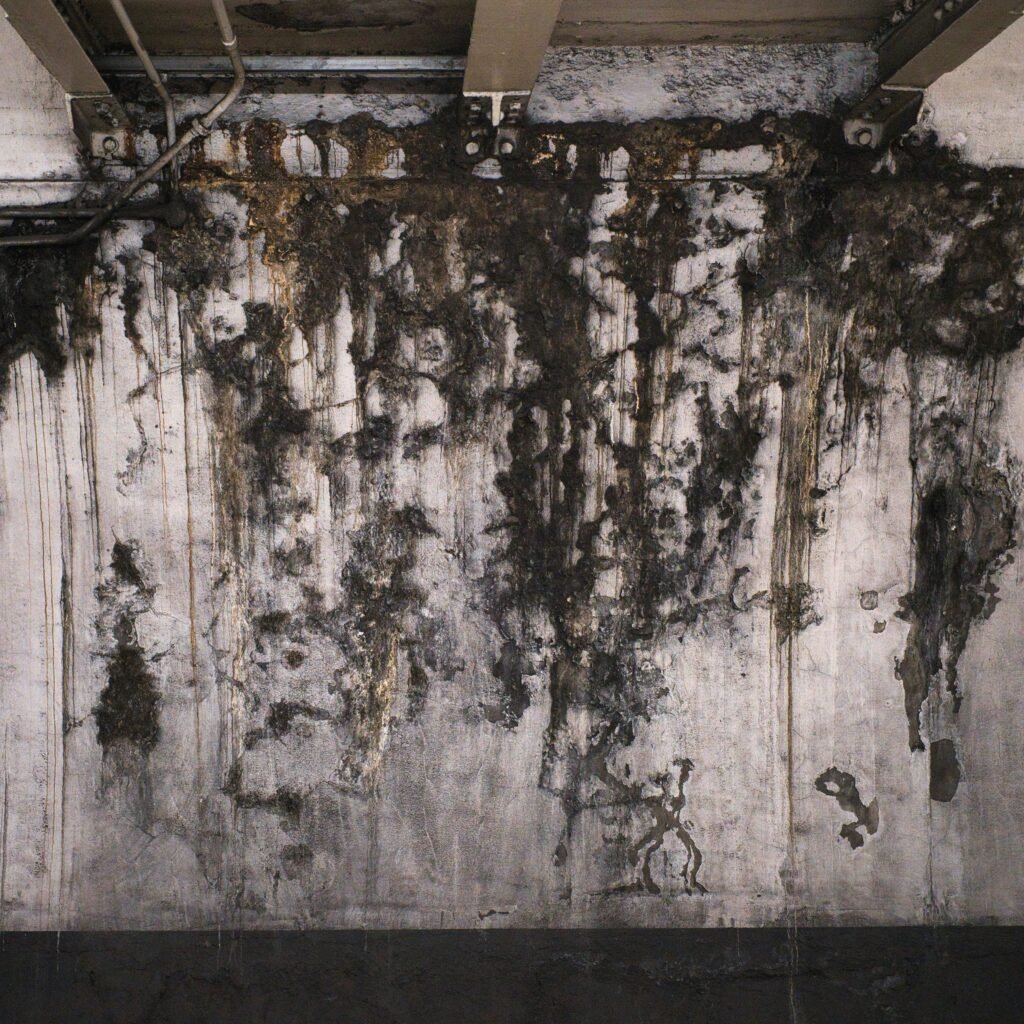
Wind-driven rain can get past a roof, a window, or a lanai door seal without leaving a puddle anyone notices. The water travels along framing and insulation before it ever shows up as a visible stain, which means a home can look fine for days or even weeks while moisture is already working on drywall, subfloor, and framing underneath.
By the time a stain or a smell is obvious, the water has usually been there long enough for mold to have already started, since Florida humidity lets that happen in as little as 24 to 48 hours.
Look for discoloration, yellow or brown rings, bubbling or peeling paint, or a slightly soft spot when you press gently on drywall. A ceiling that looks fine from across the room can still be holding water above it, run a flashlight at a low angle across the surface to catch subtle texture changes that direct light misses.
Check corners near the roofline and around any window or door that faces the direction the storm came from, those are the most common entry points for wind-driven rain.
Warped, cupped, or soft flooring near exterior walls or windows is one of the clearest signs water got in from above or from the side rather than from an internal plumbing leak. Carpet that feels damp or smells musty days after a storm, with no obvious source, usually means moisture is trapped in the padding underneath.
Tile and vinyl can hide damage longer than carpet does, since the surface itself does not absorb water the way carpet or wood does, check the subfloor underneath if you notice any give when walking across a specific spot.
A musty, earthy smell that was not there before the storm is often the first sign of trapped moisture, even before any visible stain appears. Increased humidity in one specific room compared to the rest of the house, or windows that fog more than usual, can also point to water sitting somewhere nearby.
A moisture inspection finds what a walkthrough cannot.
A quick reference for the spots that hide damage most often.
| Area | What to Look For |
|---|---|
| Ceilings near the roofline | Discoloration, bubbling paint, soft spots when pressed |
| Windows and lanai doors | Staining or softness in the wall just below or beside the frame |
| Flooring near exterior walls | Warping, cupping, or a soft feel underfoot |
| Closets and attic access | Musty smell, visible staining on stored items or insulation |
| Baseboards throughout the home | Softness, discoloration, or separation from the wall |
A moisture meter and thermal imaging find the full extent of trapped water in minutes, which is the difference between drying one damp spot and tearing out an entire wall months later because mold had time to spread unseen.
Suspect hidden water damage after a storm? See our Water Damage Restoration service in Cape Coral for fast extraction and drying.
Visible signs can take days or even weeks to appear, since water often travels through framing and insulation before reaching a surface you can see. The damage itself starts immediately, the visible sign is just delayed.
Yes. Mold only needs trapped moisture, not standing water you can see, and Florida humidity lets it start growing within 24 to 48 hours of water getting in.
No. A moisture meter and thermal camera find the full extent without creating an opening first, which keeps the repair contained to the area that actually needs it.
Usually yes, if the water came from wind-driven rain rather than rising floodwater. Documentation and a professional moisture assessment both support the claim.
A professional inspection with a moisture meter and thermal imaging, which can map trapped water behind walls and under flooring in one visit, usually same day.
Catch hidden water damage before it becomes a mold problem, anywhere in Cape Coral.
A burst pipe or flooded room in Cape Coral, FL. Here's exactly what to do in the first 24 hours to protect your home...
Read article →
Real cost ranges for water damage restoration in Cape Coral, what drives the price up or down, and when insurance picks up the bill.
Read article →
A room-by-room, week-by-week checklist for getting a Cape Coral home ready before a storm, not during one.
Read article →