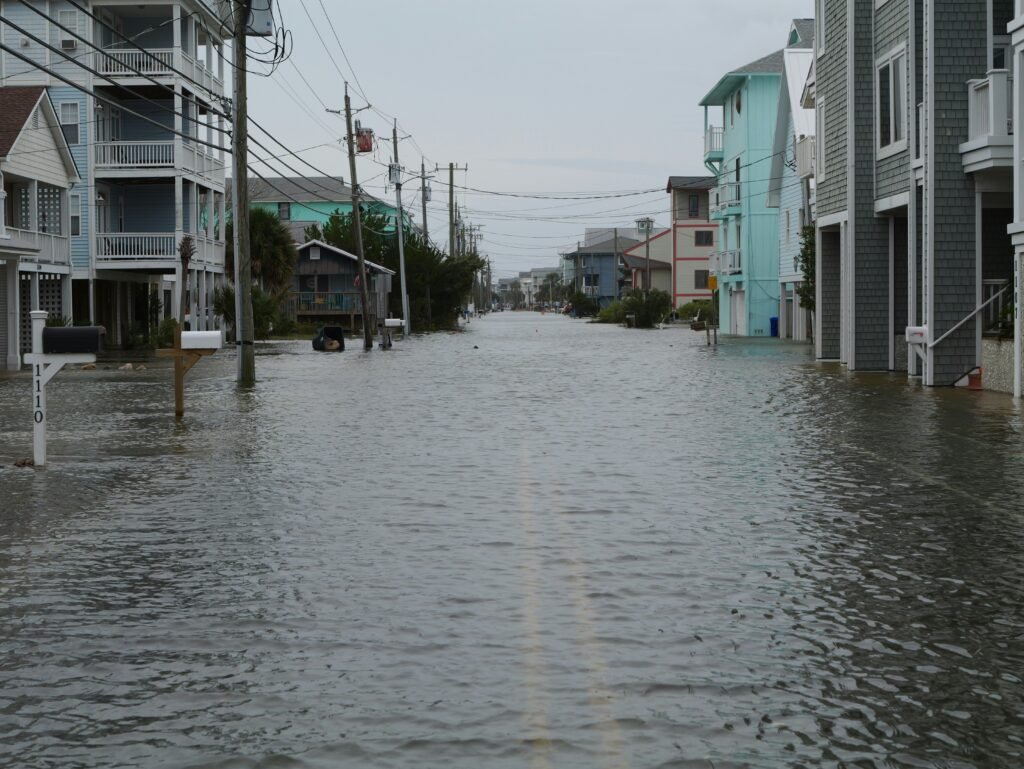
Flood Damage vs Water Damage: Why It Matters for Insurance
Two homes with the same amount of water damage can have completely different insurance outcomes. The difference comes down to where the water came...
Smoke odor sinks into drywall, fabric, and framing long after the flames are out. Here is why air fresheners never fix it and what actually does.
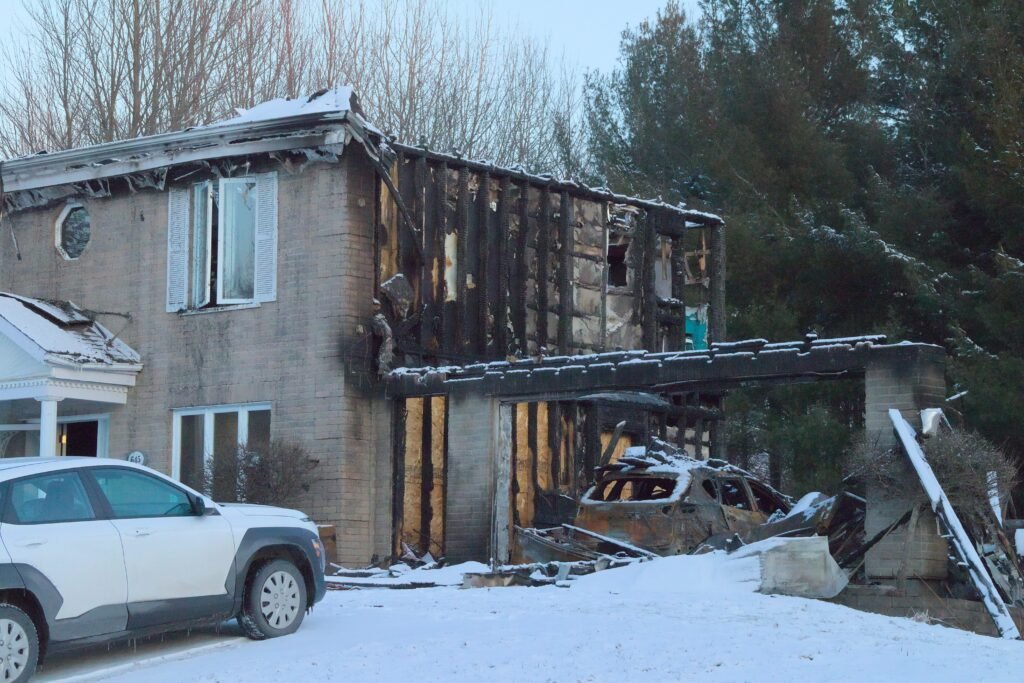
Smoke is not just visible residue, it is microscopic particles and gases that work their way into porous materials, drywall, insulation, fabric, carpet padding, wood framing, and settle there. Those particles keep releasing odor for months or years if they are only masked instead of actually removed.
This is why a room can look completely cleaned, fresh paint, washed walls, and still smell like smoke every time humidity rises, because the source is inside the material, not on the surface anyone can see or wipe down.
Air fresheners, candles, and odor sprays cover a smell temporarily by adding a stronger scent on top of it, they do not remove the smoke particles causing the odor. The same is true for most household cleaning, wiping a wall removes surface soot but does not reach what has absorbed into the drywall itself.
Baking soda and charcoal can absorb some airborne odor in a small, enclosed space over time, but they do nothing for odor embedded in materials, and they are not a substitute for actual remediation after anything beyond a very small, contained fire.
Surface cleaning rarely reaches the source. We can.
A quick comparison of what each approach actually does.
| Method | What It Does | Limitation |
|---|---|---|
| Air freshener or candle | Masks smell temporarily | Does not remove the source, smell returns |
| Surface cleaning | Removes visible soot | Does not reach odor absorbed into porous material |
| Thermal fogging | Deodorizes materials the smoke originally penetrated | Best done by a trained technician for full coverage |
| Ozone treatment | Neutralizes odor molecules at the source | Requires a sealed, unoccupied space and ventilation afterward |
A technician typically starts by identifying every affected material and surface, not just the room where the fire occurred, since smoke travels well beyond its point of origin. Soot is removed first, then odor treatment follows, because treating odor before cleaning soot just reburies the particles that are causing the smell.
A smoke-only job, no structural fire damage, can often be completed in a few days. Jobs that also involve structural repair take longer, since odor treatment is usually one of the final steps before a space is considered finished.
Dealing with persistent smoke odor after a fire? See our Fire & Smoke Damage Restoration service in Cape Coral.
Indefinitely, if only masked rather than properly treated. Smoke particles embedded in porous materials keep releasing odor for months or years without professional remediation.
Light surface soot on a very small, contained area can sometimes be managed with careful cleaning. Anything beyond that, especially odor that persists after cleaning, usually needs thermal fogging or ozone treatment to actually reach the source.
Not on its own. Smoke odor sits in the drywall underneath the paint, and sealing with an odor-blocking primer first is usually necessary before repainting has any lasting effect.
Yes, when done correctly by a trained technician in a sealed, unoccupied space, followed by proper ventilation before anyone re-enters. It is not safe to run in an occupied space.
Smoke damage, including odor removal, is typically covered under a standard homeowners policy following a covered fire. We document the full scope to support the claim.
Thermal fogging and ozone treatment that reach the source, anywhere in Cape Coral.
Two homes with the same amount of water damage can have completely different insurance outcomes. The difference comes down to where the water came...
Read article →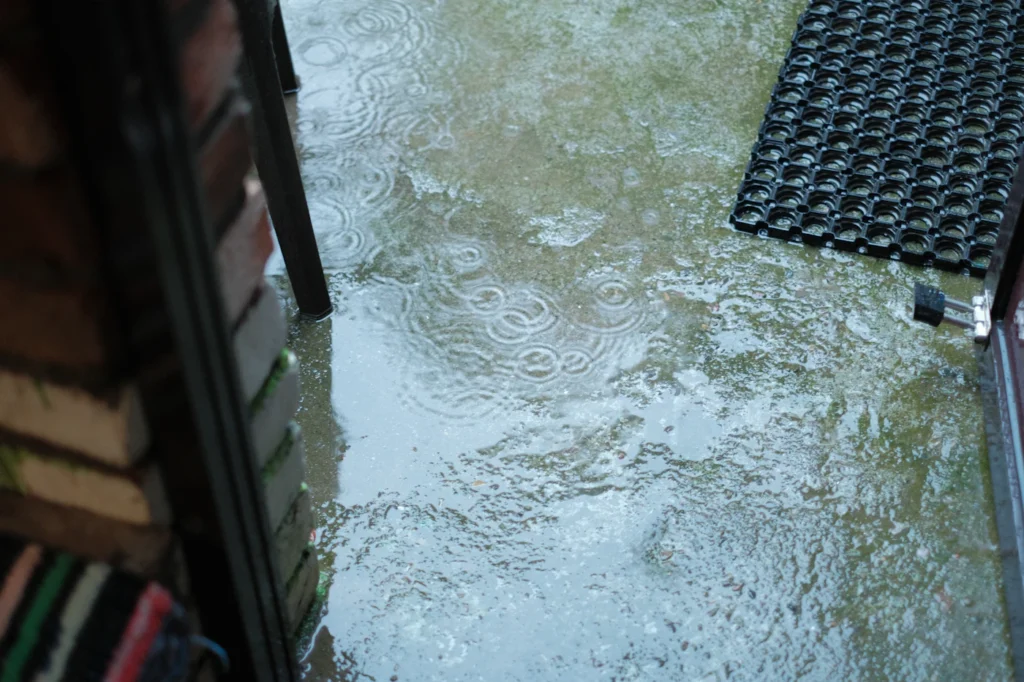
Real cost ranges for water damage restoration in Cape Coral, what drives the price up or down, and when insurance picks up the bill.
Read article →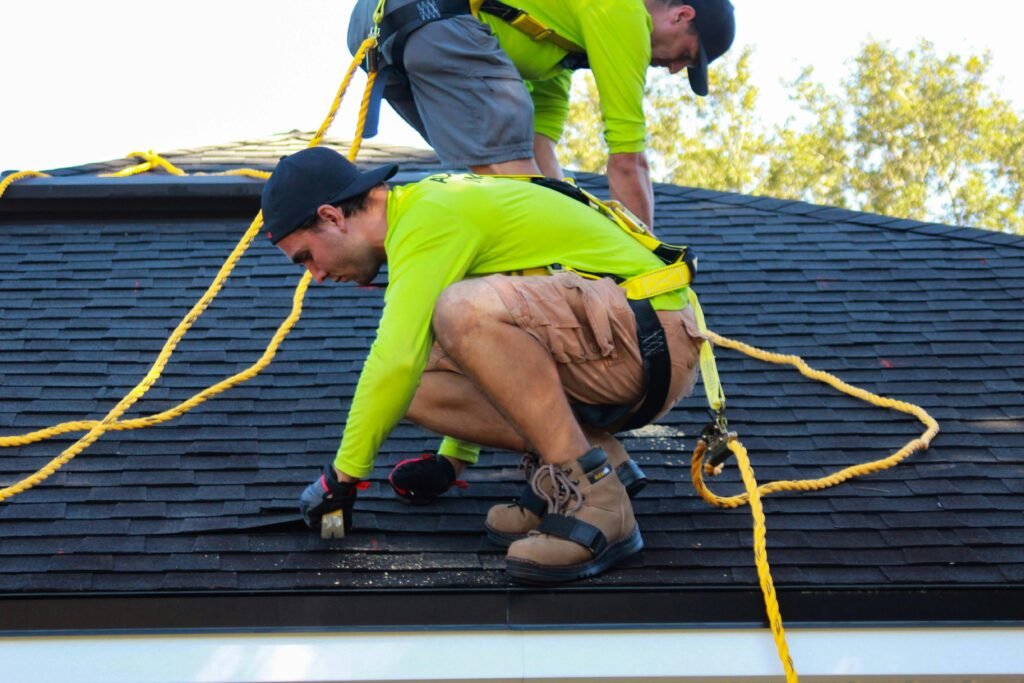
A step-by-step walkthrough of filing a storm damage claim in Florida, from the first call to getting repairs approved.
Read article →